
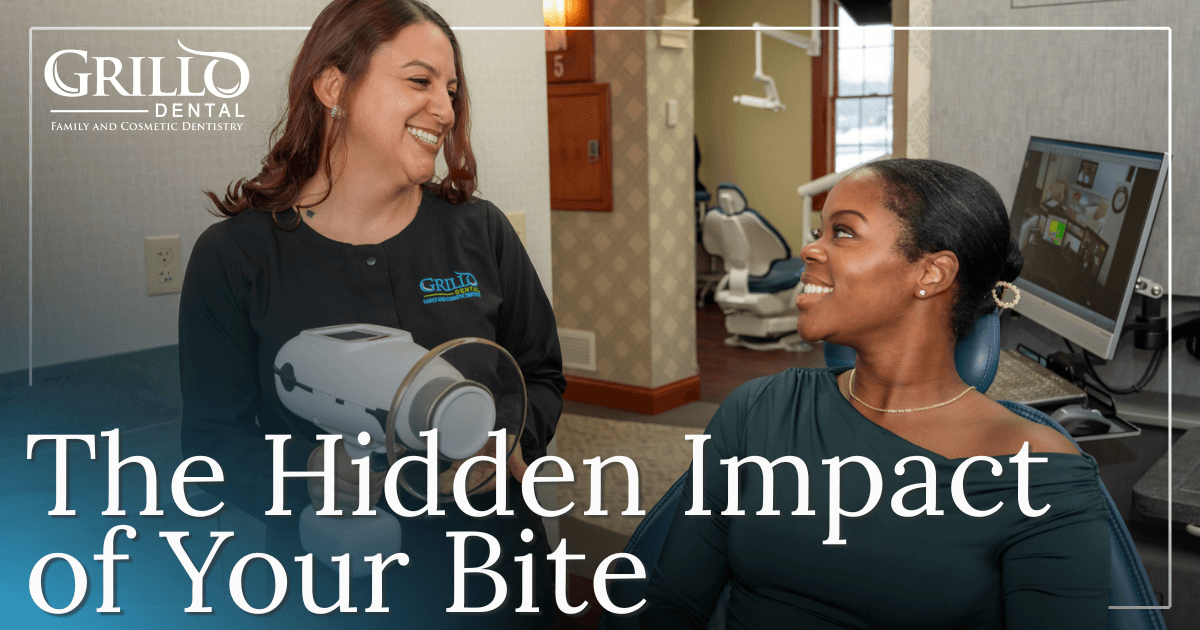
Did You Know That Your Bite Affects How Your Teeth Wear?
Call now
860-467-1807
860-467-1807
The way your teeth come together can make a difference over time. Your teeth are pretty good at sharing the workload. Every time you bite into an apple, chew your dinner, or simply bring your teeth together, pressure is distributed across your smile. When your bite works properly, your teeth handle those forces better as a team. But what happens when a few teeth are doing more than their fair share?
Your Bite Is More Than How Your Teeth Line Up
When we talk about your bite, we’re talking about the way your upper and lower teeth come together and function. Ideally, chewing forces are distributed so your teeth, jaw, and supporting structures work together, but teeth can shift. They can become worn or damaged. Dental work can change over the years, and missing teeth can affect how neighboring teeth function. Clenching and grinding can add even more force to the equation. That is why your bite is something we continue to pay attention to, even if it has never particularly crossed your mind.
Your Teeth Leave Us Clues
Sometimes uneven forces show up as wear. We might notice that certain teeth are becoming flatter, shorter, or more worn than others. Small chips or cracks can appear. A restoration may repeatedly take more pressure than expected, or you may notice that one side simply feels different when you chew. You might also feel jaw discomfort or notice that your bite doesn't feel quite the way it used to.
None of those things automatically tells us exactly what is happening. They are clues, and you already know we like to look at the whole picture before jumping to conclusions. It’s one reason why we ask, “Does that feel right?”
Even a small area that feels “off” is worth paying attention to because we want your teeth and restorations to function comfortably together. That same attention to your bite matters when we plan more comprehensive treatment, too. Digital impressions, photographs, 3D imaging, and other technology help us gather detailed information when needed for diagnosis and treatment planning.
Your Bite Can Change Over Time
One advantage of caring for you year after year is that we don't have to look at your smile as a single snapshot. We can monitor and compare over time to see whether wear is progressing, a restoration is holding up as expected, or something about your bite seems different from before.
If you notice a change before we do, tell us. Maybe chewing suddenly feels easier on one side. Perhaps a tooth seems to hit first when you close your mouth. Maybe your jaw has been tired lately, or you have noticed a new chip. You don’t need to decide whether it’s important enough to mention. That is our job. Just tell us what feels different, and we will take it from there.
Let’s Keep Everyone Sharing the Work
Your teeth have a lot of meals, conversations, and smiles ahead of them. We want to help them handle all that work as comfortably as possible. Sometimes that simply means continuing to monitor what we see. Other times, changes in tooth position, wear, damage, missing teeth, or jaw function may give us a reason to take a closer look. Because we provide care ranging from general dentistry to TMJ treatment, clear aligners, restorative care, and full-mouth rejuvenation, we can consider how the different pieces of your smile are working together when a problem arises.
If something about your bite has started to feel different, bring it up the next time we see you. We can take a look together and decide whether it needs attention or simply deserves an eye on it.
If it’s time for your next appointment, schedule with us at our office located in South Windsor, CT. We are always happy to see you, catch up, and help keep your smile working comfortably for the long run.
Contact Us
498 Buckland Rd
South Windsor, CT 06074
Recent Articles
Oct. 01, 2026
Did You Know That Your Bite Affects How Your Teeth Wear?
Sep. 15, 2026
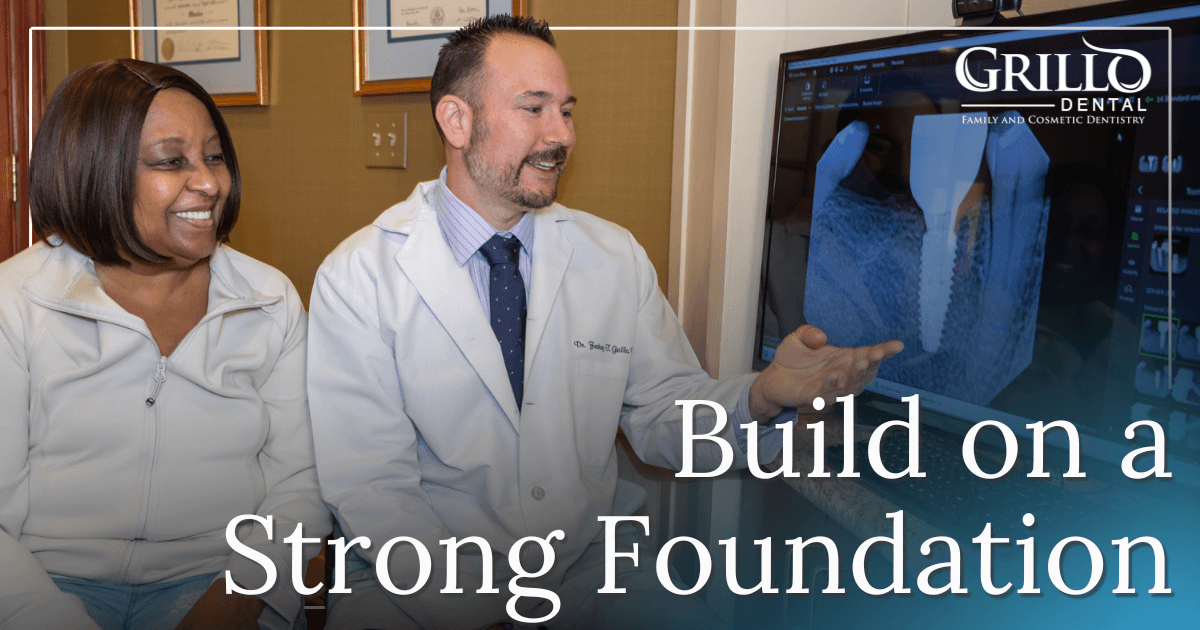
Why Bone Quality Matters Before Dental Implant Treatment
Sep. 01, 2026
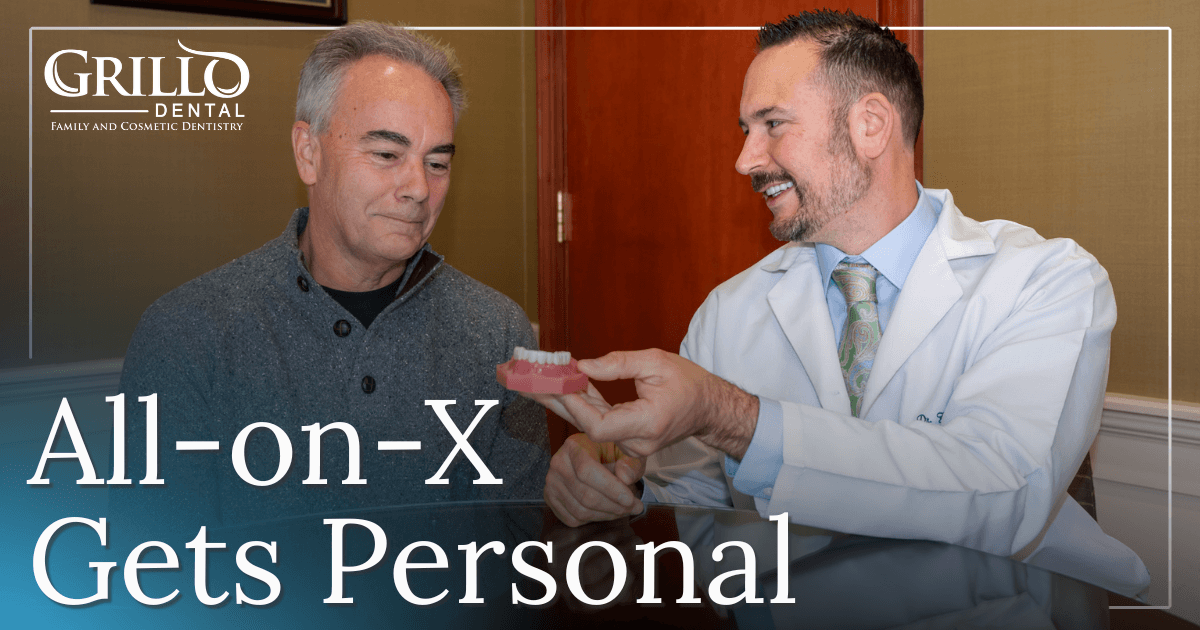
All-on-X Doesn’t Mean “One Size Fits All”
Aug. 15, 2026
Why More Patients Are Choosing CandidPro Clear Aligners
Aug. 01, 2026